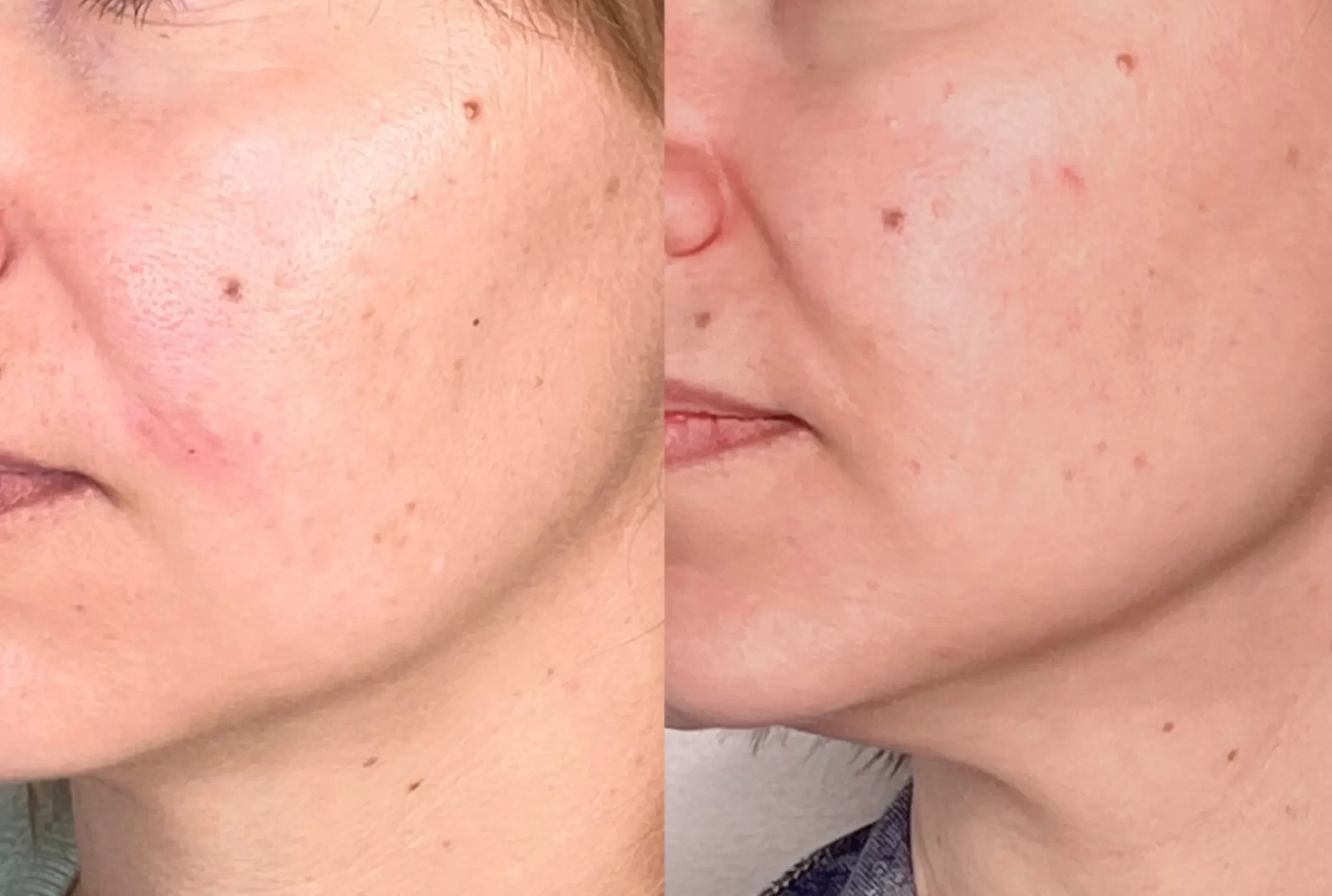
When clients roll into The Facial Hub skin clinic, they often ask Sevine, “what are the only 4 skincare ingredients that actually work?” and I’ve got to say, I get that a lot, because people are just so tired of all the hype, the marketing noise, and the endless stream of beauty products that promise the world but don’t deliver. Others discover the answer for themselves during one of the best facials in Brisbane, when we sit down and talk through what really makes a difference in the skin.
I’ve been in skin therapy for nearly 20 years now. I’ve got formal biomedical training under my belt, and I’ve had the chance to chat with more cosmetic chemists than I can count, as well as loads of real clients with real skin problems. I can be confident that most active ingredients don’t accumulate in clinical research. The four ingredients that keep on delivering time and time again in clinics, in studies, and in real-world results at The Facial Hub? That’s Vitamin A, Vitamin C, niacinamide, and good old-fashioned sunscreen.
Contents
The Science Behind What “Proven to Work”
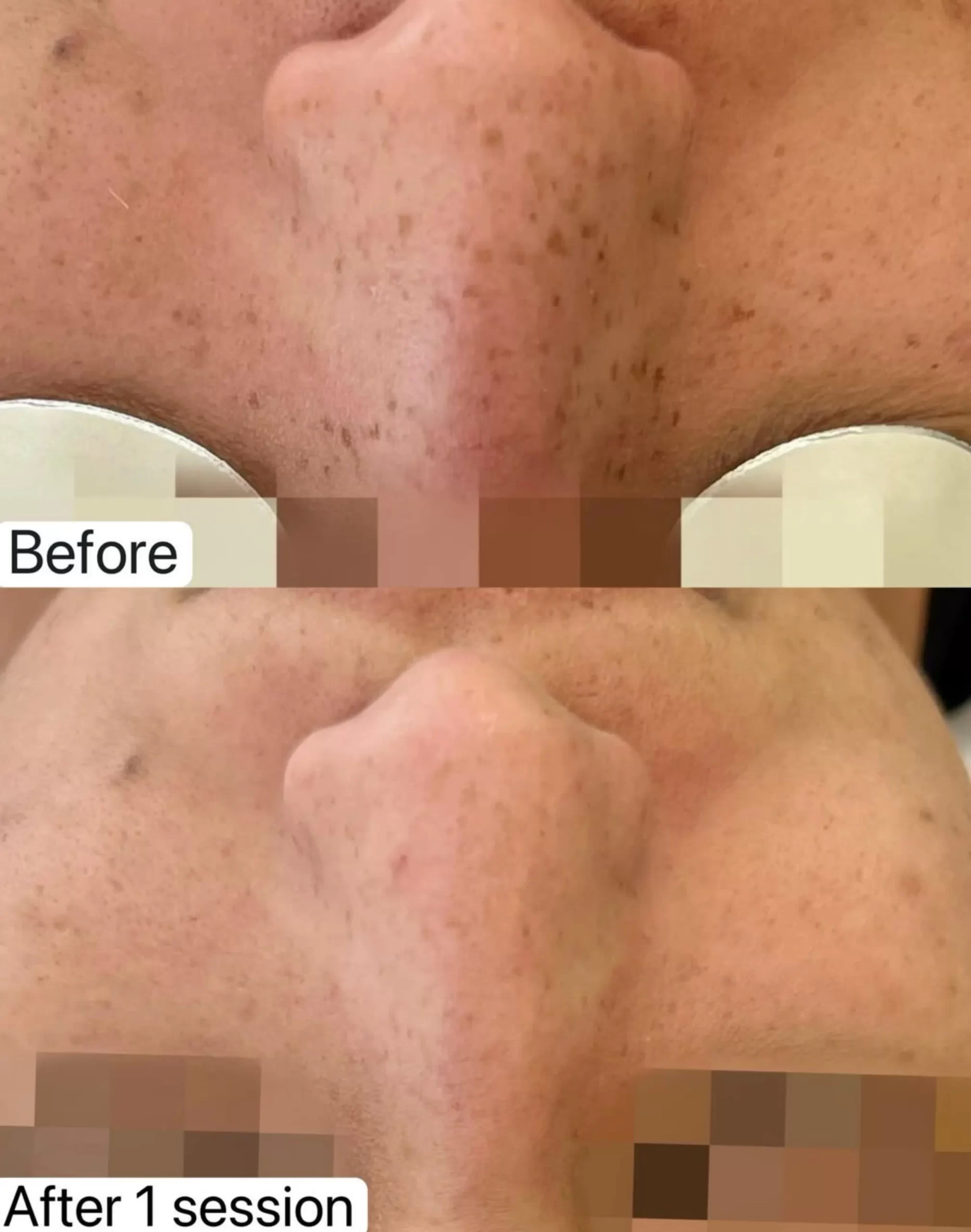
Before we dive in, it’s worth getting our heads around what we mean by “proven” in this context. In skin science, it means the ingredients have got some decent evidence behind them – we’re talking about studies that have been put together with some thought, trials that have been designed with a bit of common sense, and actual measurable improvements in skin texture, fine lines, dark spots, collagen production and the skin microbiome – not just some random influencer’s rave review.
In 2026, a report came out on Australian skincare trends, and it said that consumers are demanding more evidence-backed active ingredients now more than ever – and that’s precisely what I’m seeing in the studio every day. Clients come in after some unsuccessful routine or treatment like skin needling in Brisbane, track record, and they’re looking for skincare that actually works, that’s clean, and that’s backed by some science – that’s what the modern clean skincare movement is all about: effectiveness, transparency, and proper research.
Skincare Actives That Truly Work

When I meet with clients at The Facial Hub who are trying to make sense of the claims in the market, I point them to these tried-and-true actives with a proven track record of delivering real, noticeable results.
Vitamin A for Renewal and Collagen Support
Vitamin A remains hands-down the most clinically-tested and validated skincare active out there – and I’m not just talking about any old Vitamin A. I’m talking about retinal, retinol, or prescription tretinoin – all of which have been scientifically proven to give your skin a boost in cell turnover, collagen production, and overall texture. And let’s not forget about reducing those pesky fine lines, dark spots and dead skin cells.
I’ve lost count of how many clients have come to see me after being burned out by overly harsh alpha-hydroxy acids, and a switch to gentle retinoids has been the turning point for them. At The Facial Hub, I’ve seen it time and time again: clients come in with dull, stressed skin, and by introducing this ingredient slowly and consistently, their skin starts to transform.
Why It’s Proven
It boosts collagen production and helps delay its breakdown
It speeds up cell turnover to give you smoother, more refined skin
It’s a big help with dark spots and hyperpigmentation
It’s a great team player when it comes to managing acne – especially when you’re using beta hydroxy acid products
Vitamin C for Brightening and Antioxidant Defence
Now, not all Vitamin C is created equal, but L-ascorbic acid – the one that’s been put through the wringer in clinical trials – remains the top dog. It’s got serious antioxidant power, neutralising all those free radicals that come from UV exposure and oxidative stress – something we experience plenty of in Queensland, that’s for sure.
When you team it up with some hydrating ingredients like hyaluronic acid or sodium hyaluronate, Vitamin C is a total rockstar – strengthening your skin barrier, making dark spots look less prominent, and even supporting collagen production. I’ve had clients prepare for treatments such as a hydrafacial at The Facial Hub in Brisbane, using Vitamin C-rich routines to get their skin looking its absolute best.
Why It’s Proven
It reduces pigmentation and UV damage
It gives collagen production a boost
It’s got your back against oxidative stress and free radicals
It leaves your skin looking firmer, smoother and more radiant
To get the most out of Vitamin C, people often achieve the best results by pairing it with Vitamin E and a good sunscreen containing zinc oxide or titanium dioxide.
Niacinamide for Barrier Strength and Calm

If Vitamin A is a bit of a show-off, Vitamin C is the social butterfly, then niacinamide is the good listener. Years and years of solid research prove it does its job – helping to keep the skin hydrated, build up the barrier, calm down redness, and support the tiny ecosystem of microorganisms living on your skin – making it an excellent go-to for anyone with super dry skin or who’s overdone it with glycolic or lactic acid in their skincare routine.
Niacinamide is also a common ingredient in many cosmeceutical skincare products because it helps stabilise actives and improve their efficacy. I have many clients in Brisbane who’ve had chemical exfoliation or treatments such as skin needling, and niacinamide is often the agent that helps them get their skin back under control.
Why It’s Proven
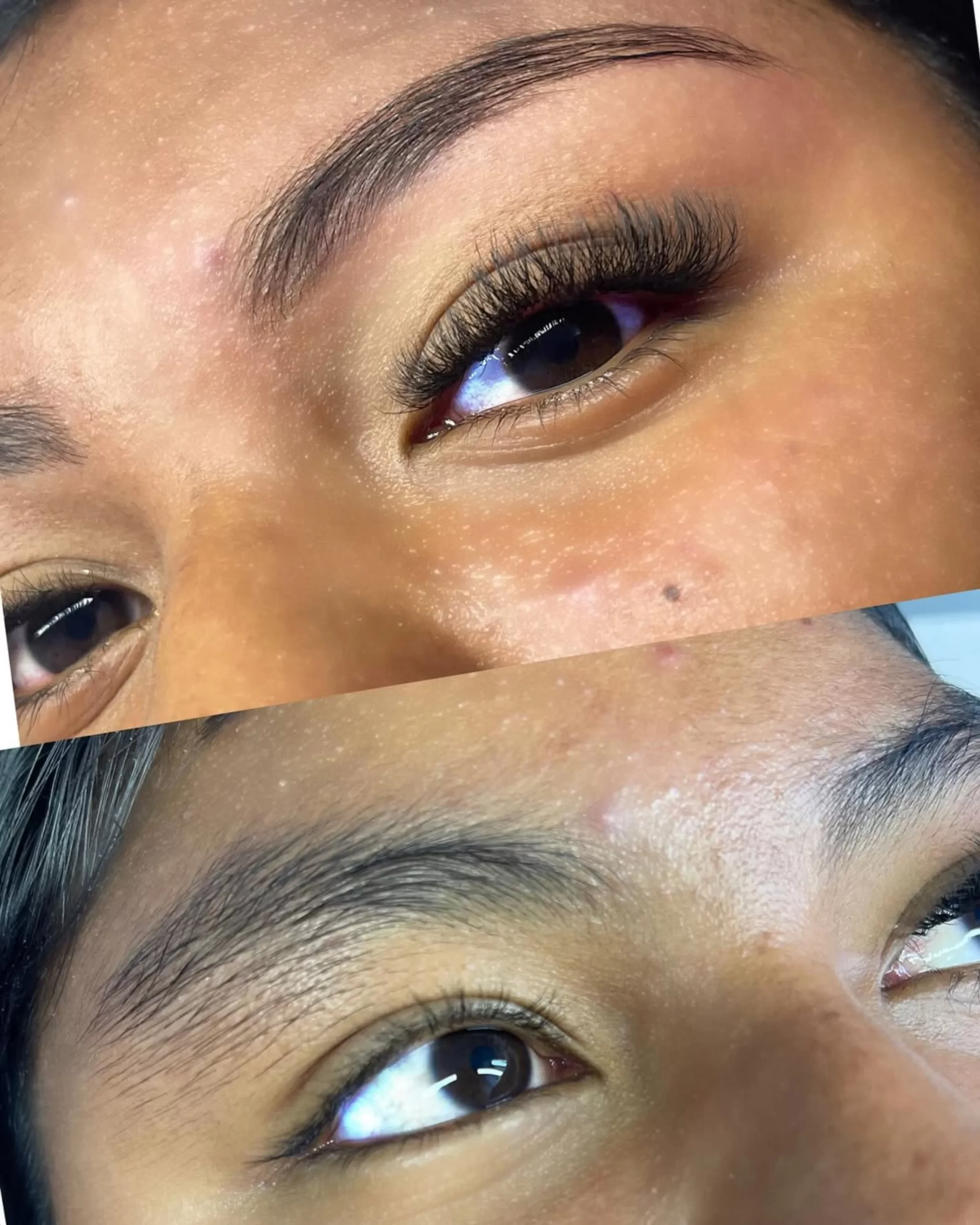
Niacinamide helps maintain your skin’s barrier and balance your amino acids.
It also helps lock in moisture and improves your skin’s texture
Plus, it reduces inflammation, redness and irritation
Niacinamide pairs well with other skincare ingredients like Vitamin C, Vitamin E, and hyaluronic acid.
Sunscreen for Protection and Prevention
Sunscreen is basically the most important thing you can do for your skin. Australian dermatology figures show that a massive 80% of visible signs of aging are caused by UV radiation – and that’s not just about fine lines but also collagen, pigmentation and DNA damage.
Physical sunscreen filters like titanium dioxide and zinc oxide give you broad protection from the sun’s rays, also supporting enzymes that repair DNA while preventing oxidative stress in your skin. I see a lot of people with older skin (or who’ve simply been naughty with their sun habits) at The Facial Hub skin clinic who are amazed by how lightweight and friendly modern SPF products are – especially when you mix them with hydrating ingredients.
Why It’s Proven
It prevents damage from UV radiation and stops photo-aging
It helps protect your collagen and reduce the appearance of fine lines
It supports your skin’s DNA repair process and reduces the risk of mutations
Even if you’re just sticking to SPF15 indoors or SPF30+ outdoors, it’s a non-negotiable alongside any active skincare products.
Comparing The Four Ingredients At A Glance
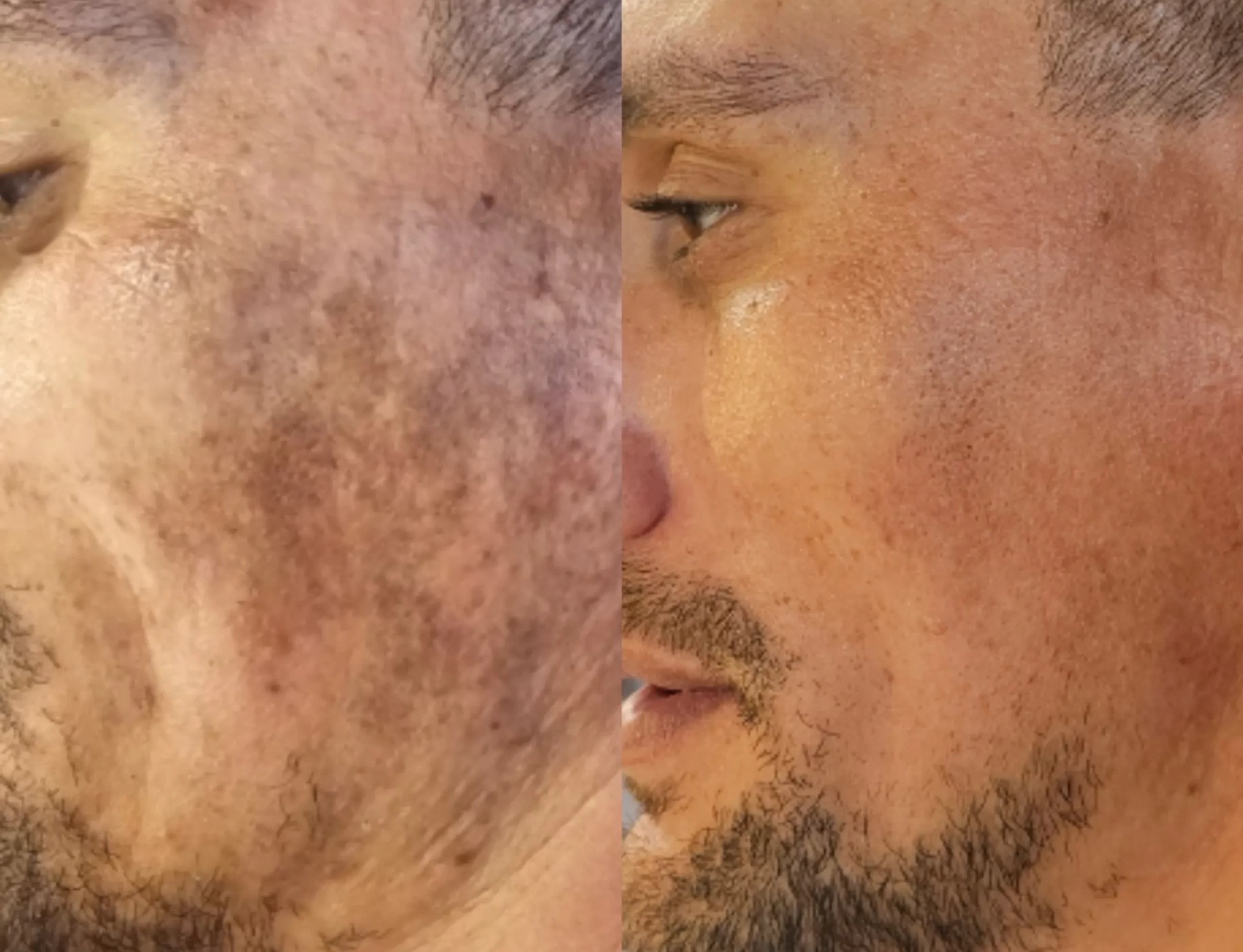
| Ingredient | Primary Benefit | Best For | Evidence Strength | Notes |
|---|---|---|---|---|
| Vitamin A (Retinoids) | Collagen production, cell turnover | Fine lines, acne, dullness | ★★★★★ | Introduce gradually; avoid during pregnancy |
| Vitamin C (L-ascorbic acid) | Brightening, free radical defence | Dark spots, UV damage | ★★★★★ | Works well with Vitamin E & ferulic acid |
| Niacinamide | Skin barrier repair, skin microbiome support | Redness, dryness, sensitivity | ★★★★☆ | Excellent for barrier rebuilding |
| Sunscreen | UV radiation protection | Every skin type | ★★★★★ | Look for zinc oxide or titanium dioxide |
How They Work in a Daily Routine
Many of our clients come to us feeling overwhelmed by the number of skincare products available, unsure where to start or how to put them together. But it doesn’t have to be that way. A simple, evidence-based routine can make a huge difference – and we’re always happy to help with that, whether you’re getting one of the best facials in Brisbane or a specialist hydrafacial in The Facial Hub in Brisbane.
Here’s what a straightforward routine might look like:
Morning: Start with a good cleanser, add niacinamide to keep your skin looking plump and healthy, a bit of Vitamin C to brighten, a moisturiser to keep your skin feeling soft and smooth, and finally a layer of sunscreen to protect against sun damage.
Evening: So in the evenings, it’s just a bit more TLC for your skin: a cleanser to wash away the day, a bit of Vitamin A to help with any breakouts, a dollop of hyaluronic acid to keep your skin feeling nice and hydrated, and finish off with a moisturiser to keep it all locked in.
And of course, if you want to, a gentle exfoliation with alpha hydroxy acids once a week can help keep dead skin cells at bay without damaging your skin barrier.
A Few Myths I Need To Set Straight
There are a few pretty persistent myths out there that are worth squashing:
Myth: ” Natural ingredients are always the best option.” The truth is: natural ingredients can be lovely, but when it comes to actually working, it’s all about the science. If it works, it works – whether it comes from a plant or not.
Myth: “If it stings a bit, it must be working.” The reality is acid. And irritated skin ages much faster than healthy skin.
Myth: “The more steps in my routine, the better it’s going to be.” The truth is: if you’ve got four ingredients that are going to give you real results, that trumps a long, complicated routine with a bunch of products that may or may not do anything.
What I’d Love You To Do Next
Your skin doesn’t need to be complicated – it just needs to be looked after in a way that will give you real results. If you’re not sure which ingredients are going to work best for you, come on in to The Facial Hub, and we’ll work through it together – because we reckon skincare should be something you enjoy, not something that stresses you out.
If you have a question I haven’t covered, please leave a note in the comments, and we’ll do our best to answer it.
FAQ
Can I use all four ingredients at once?
Not all at the same time – no. Vitamin C is best in the morning, Vitamin A at night. Niacinamide is pretty versatile, but sunscreen is always on. Make sense?
Is Vitamin A safe for sensitive skin?
Yeah, it is – especially if you’re using lower-strength formulas and you’re pairing them with some hydrating ingredients like hyaluronic acid and a bit of amino acid goodness to keep your skin barrier nice and healthy. For sensitive skin.
Should I be exfoliating even if I’m already using these actives?
A gentle exfoliation with alpha-hydroxy acids or lactic acid once or twice a week is effective for removing dead skin cells and keeping skin looking fresh without damaging the skin barrier.
Which sunscreen filters should I look for?
Look for zinc oxide and titanium dioxide to ensure you’ve full UV protection and that they won’t interfere with your other skincare products.
How long will it take to see results?
Vitamin C typically takes 4–12 weeks, niacinamide 2–8 weeks, retinoids 8–24 weeks immediate UV protection and delivers long-term anti-ageing benefits when used consistently.