
Skiing is an intense and physically demanding sport that requires muscular strength, cardiovascular endurance and core strength. If you’re planning a snow day trips and only have 2 weeks to get in ski shape you may be wondering if you can get sufficient skiing fit in such a short time. While an ideal 8-12 week training programme is recommended for peak ski fitness, focusing on the right ski exercises can make a big difference in your performance and reduce the chance of injury.
In this article, we’ll show you how to get the most out of your ski exercises in 2 weeks by targeting key major muscle groups, increasing aerobic fitness and balance exercises and coordination. Even a day trip to the snow can be much more enjoyable with some preparation and pre-ski exercise to build endurance and strength.
Why Ski Fitness Matters

Skiing puts a lot of stress on the legs, core muscles and cardiovascular system. Without pre-ski exercise skiers can get tired quickly and increase the chance of injury. Strong muscles control the movements, endurance training allows for longer runs, core exercises increase agility and good balance prevents accidents on the slope. Whether you’re a beginner or an experienced skier, putting time into ski prep workouts will improve your performance, boost your confidence and make your skiing holiday more enjoyable – especially if you’re planning the best snow day trip Melbourne has to offer
The Best Way to Ski Prep in 2 Weeks
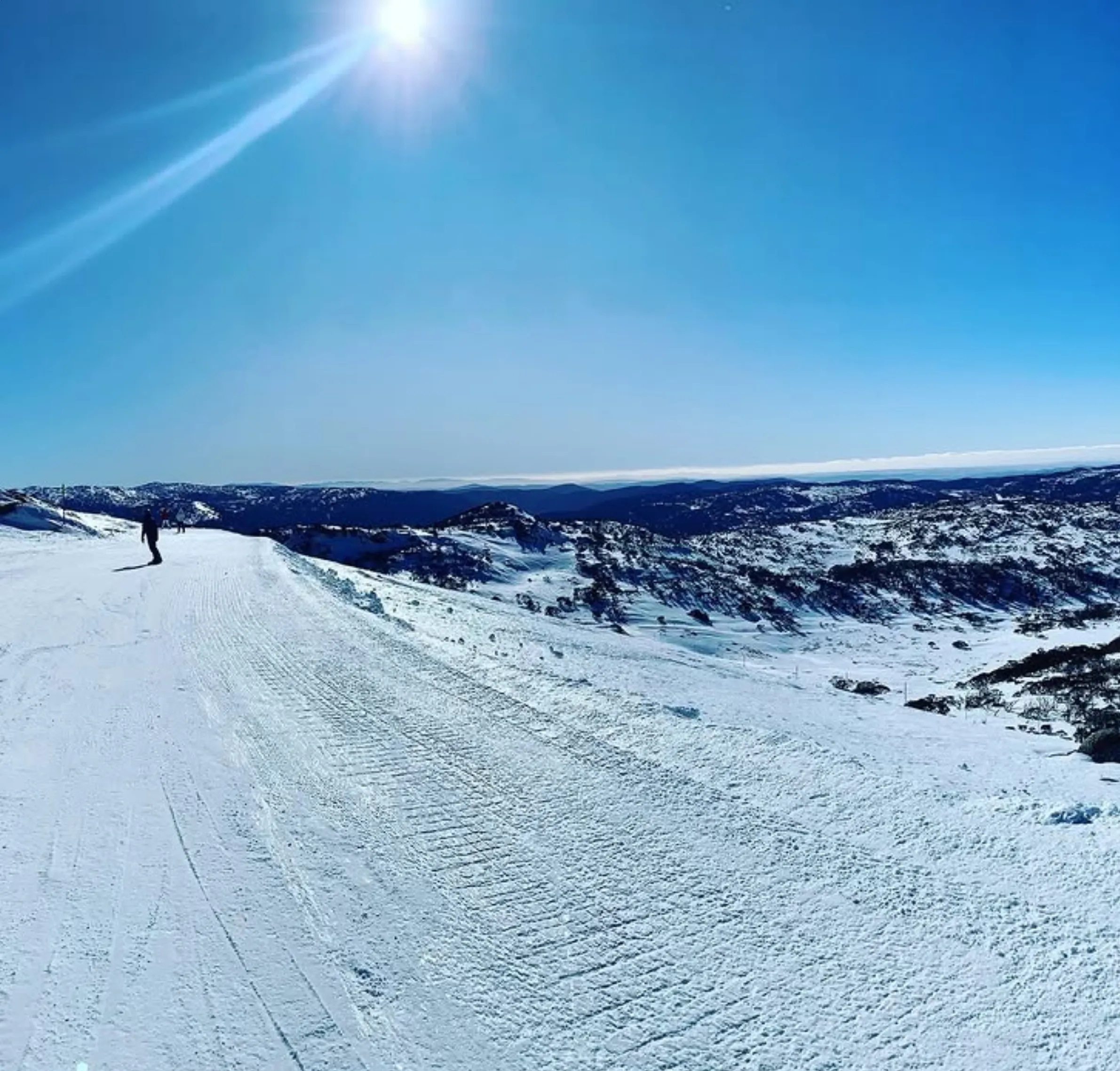
Two weeks is a short time but with a well-structured ski fitness plan, you can still see some results. A combination of ski exercises focusing on strength training, cardio, flexibility and balance exercises will condition your body for the demands of skiing. Aim to train at least 5 days a week with 1-2 rest days to avoid overtraining.
1. Strength Training (4-5 sessions per week)

Strength training is key to developing the muscles that skiing relies on, including quads, hamstrings, glutes, calves, core and upper body strength. Focus on weight-bearing exercises that work multiple muscle groups, such as:
- Squats (standard squats, 90-degree squats, explosive squats and single-leg squats) to strengthen quads and glutes.
- Lunges (front, back, side lunge and lunge jumps) to improve lower body strength and stability.
- Deadlifts to develop hamstrings, glutes and lower back strength.
- Step-ups on a box to mimic the movement of skiing.
- Planks, abs and Russian twists for core strength and stability which help with balance and control on the slopes.
- Medicine ball exercises for upper body strength.
Do 2-3 of these exercises, 3-4 sets of 8-12 reps each, with proper form to avoid injury.
2. Cardio & Endurance Training (3-4 sessions per week)
Cardio fitness and endurance training are essential to sustain energy for a day of skiing. Skiing workouts are both aerobic and anaerobic so incorporating full body workouts will help improve stamina. Good ski prep workouts include:
- Running or cycling for 30-minute ski workouts at a moderate pace.
- HIIT (High Intensity Interval Training) workouts, 30 minutes of intense exercise followed by rest.
- Mountain climbers and Box Jumps to replicate the physical demands of skiing.
- Mountain biking to improve leg endurance and handle thinner air.
- Stairs to strengthen legs.
By doing cardio you’ll be ready for a snow trip in Victoria.
3. Flexibility & Mobility Work (Daily)

Flexibility and mobility are essential for ski training exercises, allowing for full movement in the hips, knees and ankles. Daily flexibility and mobility exercises should include:
- Leg swings and dynamic stretching (hip circles, arm circles) before workouts.
- Static stretching (hamstring stretch, quad stretch, calf stretch) after workouts.
- Foam roller to release muscle tension and improve circulation.
- Yoga poses like downward dog, pigeon pose and seated forward folds to improve core strength and flexibility.
4. Balance & Coordination Drills (3-4 sessions per week)
Balance exercises are vital for skiing as it helps to maintain control in a standing position on uneven terrain. Key balance drills include:
- Single-leg squats to improve lower-body stability.
- Bosu ball to train core muscles.
- Lateral jumps to mimic the side-to-side movements of skiing.
- Standing on one leg with eyes closed to enhance proprioception.
Additional Tips to Get Ski Ready
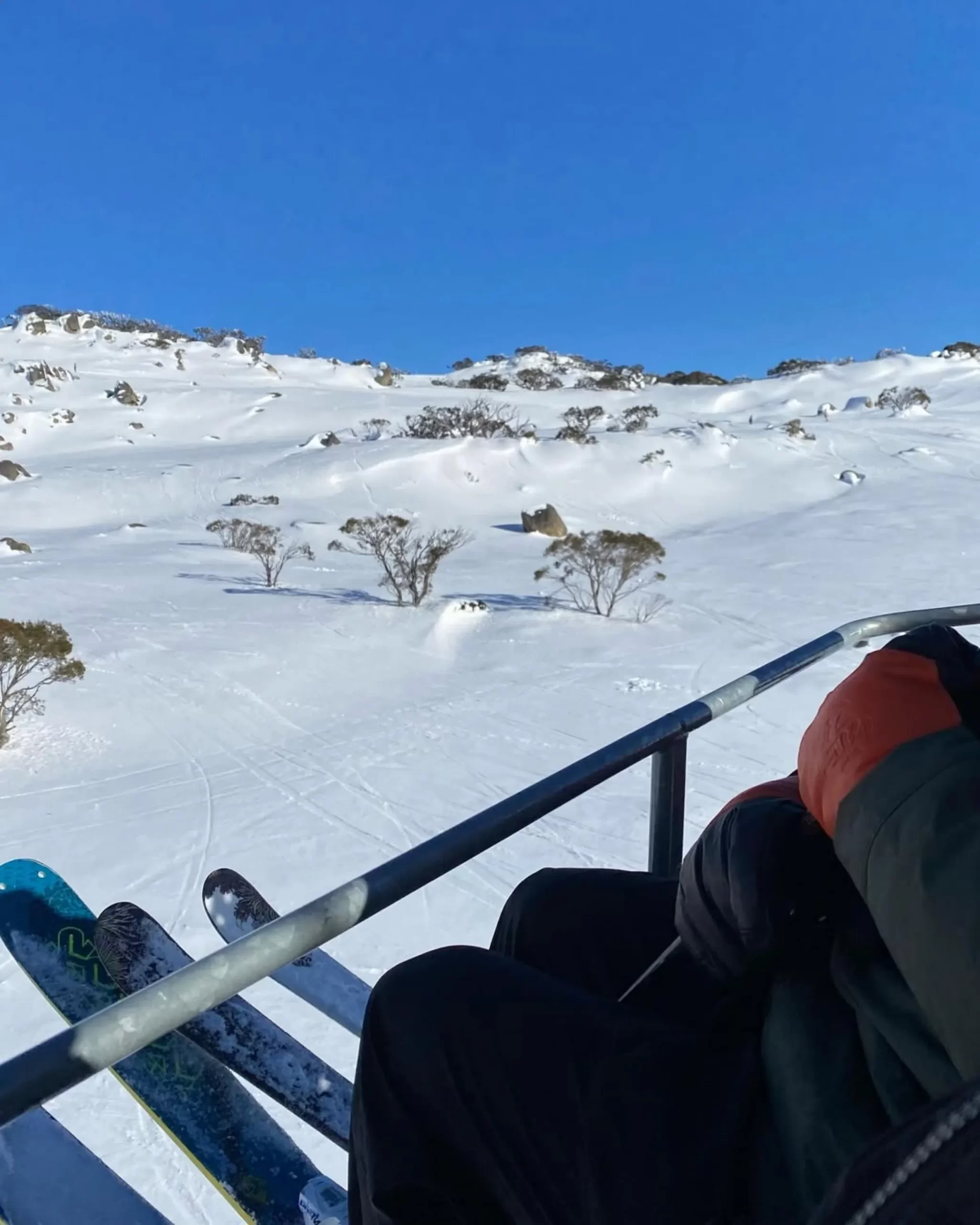
In addition to a ski conditioning program, other things can help you ski better:
- Eat healthy food rich in protein, complex carbs and healthy fats to fuel your workouts.
- Check your heart rate and heart rate max for optimal training.
- Get enough sleep to support recovery and active recovery sessions.
- Visualise skiing movements to improve mind-muscle coordination.
- Check the snow reports from Snow Australia for the best skiing conditions.
- Be aware of Acute Mountain Sickness if skiing at high altitude with thin air.
Conclusion
While two weeks isn’t enough to reach peak fitness, a structured ski prep workout with ski exercises, cardio and strength will still improve your body strength and performance. By following an 8-12 week programme in the future you’ll be in reasonable shape for your annual snow trip to the mountains.
Frequently Asked Questions
Can you get ski fit in just two weeks?
Two weeks is short, but focusing on strength, endurance and flexibility will show improvements. You won’t be at peak activity, but you’ll be more prepared for the demands of skiing.
What are the most important muscles to train for skiing?
The quads, hamstrings, glutes, calves and core are the main muscles used in skiing. Strengthening these areas helps with injury prevention and control.
Can I substitute strength training with bodyweight exercises?
Yes! If you don’t have access to a gym, full-body HIIT workouts with mountain climbers, squat position drills and standing position exercises will still improve physical activity.
How can I prevent soreness after skiing?
Stretching, foam roller, proper hydration and post-ski active recovery will reduce muscle soreness.
Do I need to do ski-specific workouts even if I’m an advanced skier?
Absolutely! Even experienced skiers benefit from ski exercises to improve aerobic fitness and upper body strength, to stay in ski shape year-round.