When clients and new artists come to us asking, “PMU infection control cert valid for body art?, we give it to them straight: no, that cosmetic tattoo infection-control certificate isn’t automatically good for body-art tattooing in Australia. You hear this question a lot when PMU artists start getting into fine line tattooing, thinking the same hygiene standards will apply across the board. But the reality is that the regulations draw a pretty clear distinction between PMU work and the more general skin penetration procedures, like body art.
I’m speaking from experience here – Uliana Kasperska and the team here in Brisbane have been working across Europe and Australia for 15 years, and we’ve seen how easy it is for PMU artists to assume that their cert covers everything. Below, we’re going to break down what the real standards are, explain the difference between PMU and body art infection-control certificates, and help you avoid getting held up when you’re looking to upgrade your skills.
Contents
- 1 Why PMU Training Doesn’t Automatically Cover Body Art
- 2 What Your Certificate Really Covers(Side By Side Table)
- 3 What The Law Says
- 4 What We See In The Studio (Real Artist Scenarios)
- 5 What Cert You Need For Body Art?
- 6 How To Legally Move From PMU To Body Art
- 7 Brisbane Note: This Even More Important
- 8 Final Thoughts — If You’re Making The Switch
- 9 FAQ
- 9.1 Does my PMU infection control certificate actually cover tattooing arms?
- 9.2 Will PMU infection control cover non-intimate body piercing?
- 9.3 Does the body-art unit cover bloodborne viruses like Hepatitis B and C?
- 9.4 Do I need different infection control training for fine-line work?
- 9.5 What happens if I apply with the wrong certificate?
Why PMU Training Doesn’t Automatically Cover Body Art
Even though PMU and body art both involve needles and ink, and getting client consent, the councils treat them as separate cases because there’s a different level of risk at play. Cosmetic tattooing tends to be on the shallow side, pretty controlled and uses smaller equipment, whereas body art falls into a higher-risk category with deeper penetration, bigger areas to cover and more to worry about when it comes to Bloodborne Pathogens. This is especially important for artists who are just starting out with a fine line tattoo course, because body-art style tattooing is in a different risk bracket from cosmetic tattoo work.
Most PMU artists have done HLTINF005 Maintain Infection Prevention for Skin Penetration Procedures or SHBBINF002 Maintain Infection Control Standards – those are great units for PMU, microblading practitioners and semi-permanent make-up work.
But the thing is, those units don’t really cover the full scope of bloodborne pathogens training, sterilisation gear, sharps container management and clinical waste handling that you need to be thinking about as a body-art operator.
What Your Certificate Really Covers(Side By Side Table)
| Requirement Area | PMU Infection-Control Cert (HLTINF005 / SHBBINF002) | Body Art Infection-Control Requirement (State Dependent) |
|---|---|---|
| Legal approval for PMU face tattooing | ✔️ Accepted | ❌ Not accepted |
| Legal approval for body tattooing | ❌ Not accepted | ✔️ Required |
| Focus areas | PMU, microblading, semi-permanent cosmetic procedures | Tattooing procedures, body piercing, BBP Certification |
| Bloodborne viruses covered (Hepatitis B, Hepatitis C) | Basic overview only | Full Bloodborne Pathogens training required |
| Sterilisation expectations | Surface disinfection + barrier protection | Full sterilisation equipment knowledge + sterile packaging |
| Waste handling | Basic sharps disposal | Clinical waste management + sharps container compliance |
| Accepted for body art studio registration | ❌ No | ✔️ Yes |
2026 Industry Insight:
Nationally-accredited training bodies tell us that a whopping 70% of PMU artists applying for a body-art licence somehow manage to get it wrong on their first go – and it’s not uncommon to be delayed by 1-4 weeks while getting sorted out.
What The Law Says
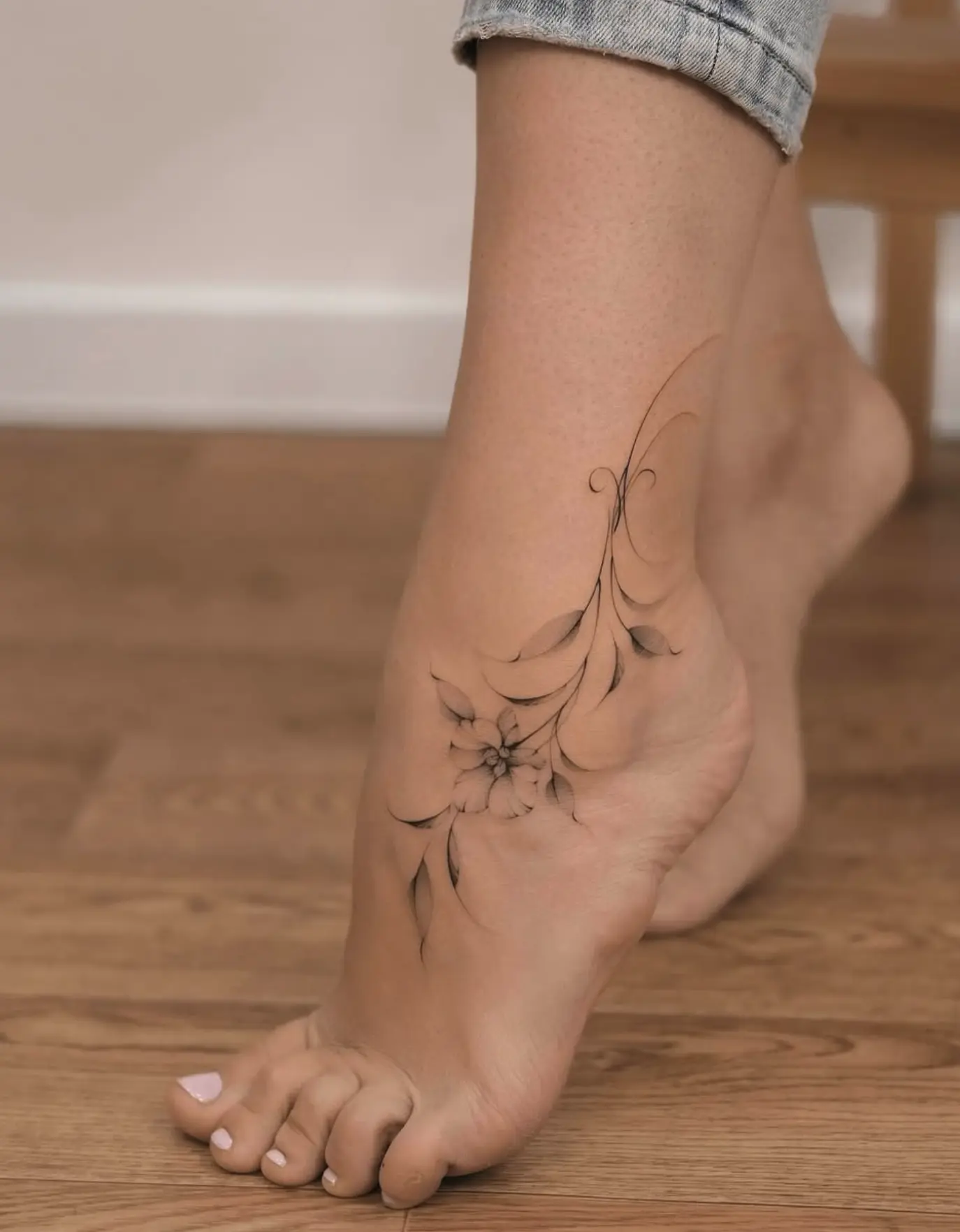
Australia doesn’t have a national tattoo licence as such. Everything – from handling bloodborne pathogens to setting up the treatment area – is all controlled on a state-by-state and council-by-council basis. If you’re a PMU artist thinking about making the switch to body art, or you’re about to sign up for a fine line tattooing course, this is something you really need to know. It’s all about the sort of licence you’re holding – and that determines what services you’re allowed to actually offer.
In Brisbane and the wider Queensland area, it’s pretty straightforward:
If your infection control certificate doesn’t cover tattooing as well as bloodborne pathogens, Hepatitis B/C risks, and sterilisation equipment training,ticks it won’t be accepted.
Cosmetic tattoo services cover:
- Permanent makeup colouring
- Brow and lip PMU
- Microblading
- Semi-permanent make-up
Body art covers:
- Fine-line tattooing and traditional tattooing
- Non-intimate body piercing
- Tattoo gun equipment
- Clip cord and power supply hygiene
What We See In The Studio (Real Artist Scenarios)
There’s no substitute for real-world experience. Here are the scenarios we see again and again:
- PMU Artists Expanding Into Fine Line Tattoos
PMU artists get excited about delicate linework, sign up for a fine line tattoo training course, and assume their existing infection control practices are good to go. Unfortunately, the reality is that body art requires a whole different level of infection control and sterilisation – and that’s just not covered by a PMU course.
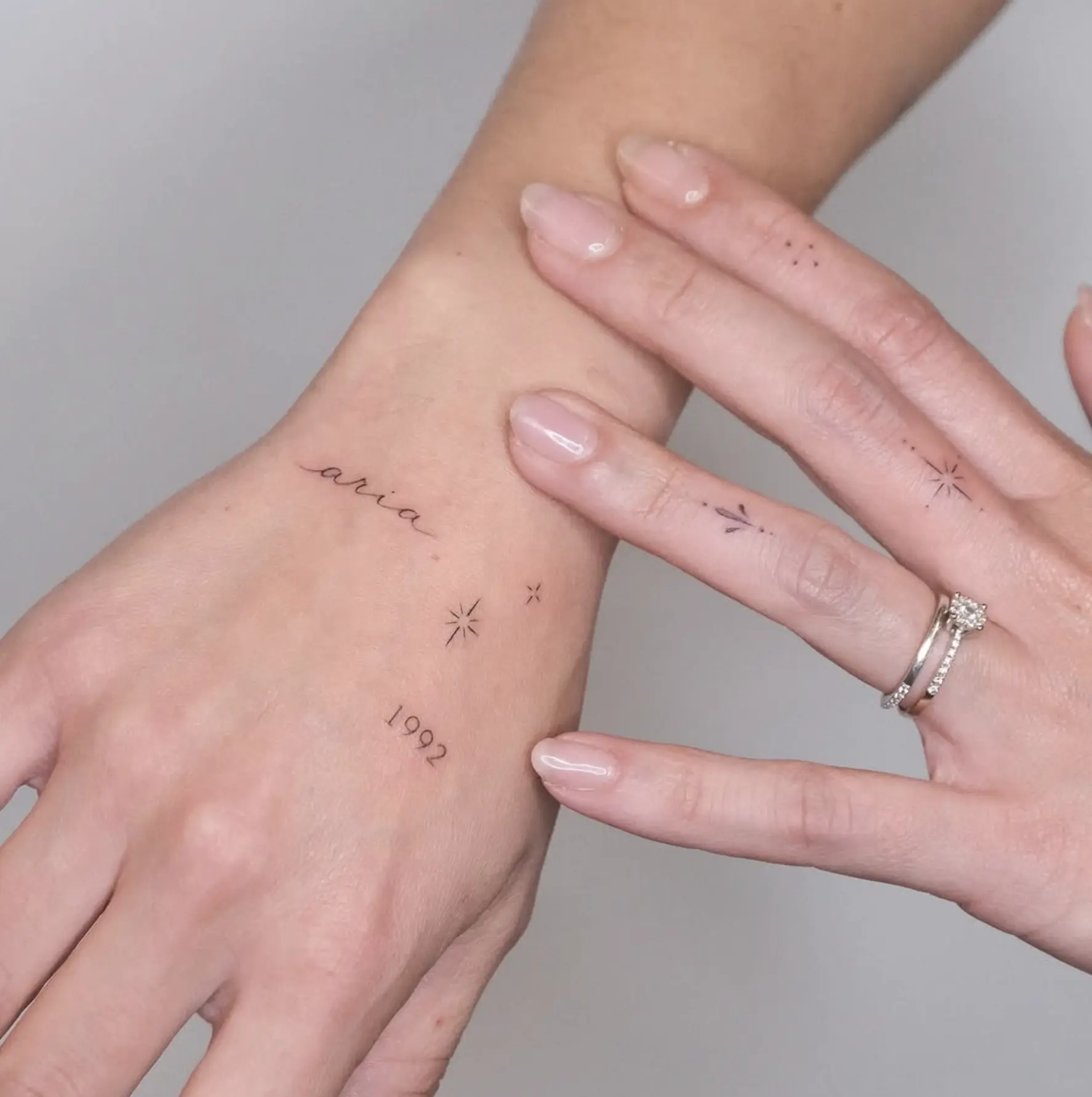
We recently had a Brisbane artist who’d just completed a bunch of fine line tattoo courses in Melbourne – but her infection control certificate was only good for PMU, so she couldn’t actually tattoo clients. Once she sorted that out, approval came through in no time.
- Artists Opening A Combined PMU + Body Art Studio
When you’re offering both PMU and body art, the treatment area needs to meet body art standards when it comes to infection control. That means you need to be doing things like:
- Handling sharps properly
- Sterilising equipment properly
- Being aware of Hepatitis B / Hepatitis C risks
- Managing clinical waste properly
- Council Audits
When the council comes knocking in Brisbane – they’re looking for things like:
- Sharps disposal is being done properly
- Your sterilisation equipment logs are up to date
- Proof that you’ve had your BBP training
- Your hand hygiene routine is spot on
- Infection control practices being absolutely on top of
If your certificates don’t cover body art, the council will shut you down until you get it sorted.
What Cert You Need For Body Art?
For most states, including Queensland, NSW, WA, and SA, councils require a unit that explicitly covers body art tattooing. The commonly accepted unit is:
For body art, councils usually require the latest version of a body-art recognised infection-control unit that includes:
- Bloodborne Pathogens (BBP) Certification
- Hepatitis B and Hepatitis C risk understanding
- Sterilisation equipment management
- Tattooing procedures beyond PMU
- Clip cord hygiene and power-supply safety
- Skin penetration treatments beyond the face
Many tattoo artists choose providers such as Skinart Australia or other nationally accredited training organisations when they begin their body-art journey or pair their studies with a fine line courses for skill development.
Your PMU certificate remains valid for PMU work — it just doesn’t transfer categories.
How To Legally Move From PMU To Body Art
If you’re seriously considering your next career move – whether that’s switching to fine-line tattooing or taking on more extensive, full-body work – let us walk you through the steps to get you where you need to be. This is the advice we give to every artist we train, right here in Brisbane.
- Check Your Current Certificate
Take a look at your current certificate – does it say you’re qualified for PMU, SHBBINF002, HLTINF005, and cosmetic tattooing? If so, I’m afraid it’s just not enough to get you qualified for body art.
- Upgrade To A Body-Art Approved Infection Control Unit
Now, here’s the next step – we need to find a training provider that ticks all the boxes on the body art checklist: they should offer nationally accredited training, practical assessments, proper sterilisation protocols, bloodborne pathogens training, equipment cleaning standards, and body art-level client outcomes. Many artists find it helpful to combine this upgrade with some fine-line tattoo training to make sure their technique and licensing are all moving in the right direction.
- Update Your Council Registration
Time to update that council registration of yours – you’ll need to demonstrate that your workplace is safe and compliant, with an accurate floor plan, solid infection control measures, clinical waste contracts, sharps container protocols, and treatment-area checks.
- Complete Your Fine-Line Tattoo Training Pathway
Once you’ve got your infection control unit in order, you can start to get hands-on experiencefine-line with private mentoring or enrol in a formal structured program that will give you the real-world experience you need to succeed.
- Maintain Your Knowledge
Remember, infection prevention, bloodborne pathogens protocols, sterilisation habits, and hand hygiene (and we mean really sharp hand hygiene, aligned with Hand Hygiene Australia) are all crucial skills to keep on top of – keep refreshing your knowledge to stay on top of the game.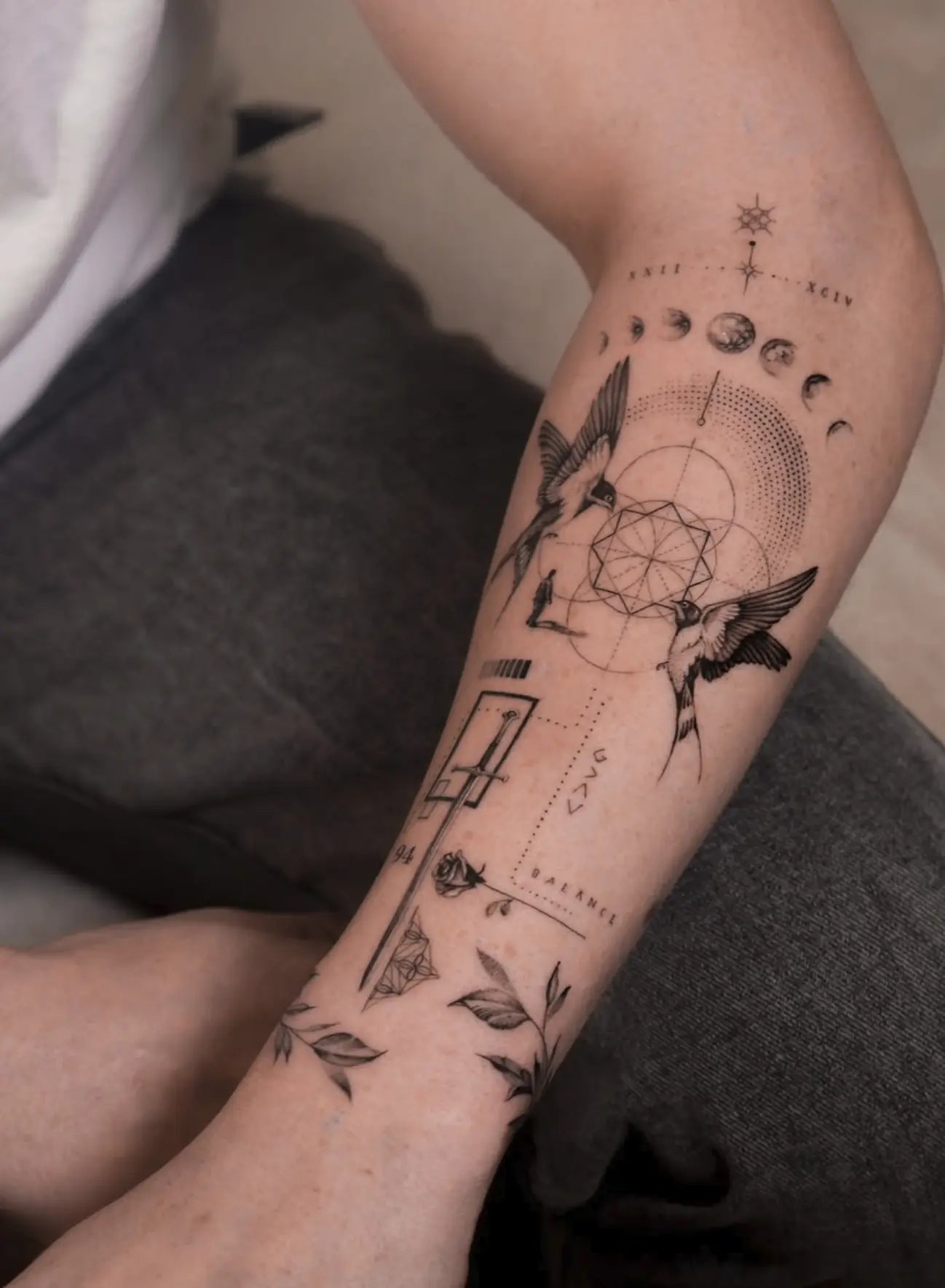
Brisbane Note: This Even More Important
Living in Brisbane can be tough for body art tattooers, especially those working with fine-line style. The humidity here creates the perfect breeding ground for bacteria and viruses, and sweat-related contamination is a major risk factor. For this reason, aftercare guidance is more critical than ever – we often drill this home in our fine line tattoo training sessions, because we know that healing outcomes are dependent on climate.
Final Thoughts — If You’re Making The Switch
If you’re looking to branch out from permanent makeup into body art, the first order of business is to upgrade your infection control training. This is crucial to be armed with the skills you’ve picked up – whether through a short workshop or a full-on fine line tattoo course – and be allowed to use those skills in a way that’s both legal and safe here in Brisbane. If you’d like a second set of eyes on your current certificate or need some advice on reputable training paths, just get in touch with us at Cosmetic Tattoo Studio Brisbane Face Figurati.
FAQ
Does my PMU infection control certificate actually cover tattooing arms?
No – the council have pretty strict rules about this, and just having a PMU infection control cert isn’t enough, you need to have covered body-art level infection control covering bloodborne pathogens, sterilisation equipment and clinical waste.
Will PMU infection control cover non-intimate body piercing?
No. Piercing is body art, and just like tattooing,g it requires proper BBP and sterilisation standards. If you’re gonna be piercing people, you need a body-art level cert.
Does the body-art unit cover bloodborne viruses like Hepatitis B and C?
Yes – and this is a big part of the reason why PMU-only units aren’t acceptable. You need to cover all of this in your training.
Do I need different infection control training for fine-line work?
No, you don’t – to legally tattoo, you need a body-art level cert regardless of whether you learned a fine line tattoo course or a PMU course. Don’t worry, this is a pretty common problem, especially when artists make the jump from PMU to fine line tattooing.
What happens if I apply with the wrong certificate?
Your application gets put on hold until you sort it out and provide the correct body-art level unit – and you’d be surprised how many artists get caught out like this, particularly when they make the shift from PMU to fine line tattooing.